
If you’re new to wearing dentures or have been using them for years, you’ve probably wondered whether denture adhesive is necessary. Walk down any drugstore aisle and you’ll find countless options for denture glue, each promising superior hold and comfort. But do you actually need these products, or are they just an unnecessary expense?
Understanding the Purpose of Denture Adhesive
Denture adhesive serves as a temporary bonding agent between your dentures and gums. It’s designed to help stabilize your dentures, reduce movement during eating and speaking, and create a barrier that prevents food particles from getting trapped underneath. When properly fitted dentures are placed, they should naturally create suction against your gums, but adhesives can provide extra security for those who need it.
Do You Need Denture Adhesive?
The short answer is: not everyone does. Well-fitting dentures that have been properly adjusted by your dentist should stay in place without additional products. However, there are several situations where using denture glue makes sense:
- Added confidence: If you’re worried about your dentures slipping during important social situations or while eating, adhesive can provide peace of mind
- Gradual bone changes: Your jawbone naturally changes shape over time after tooth loss, which can affect denture fit
- Enhanced stability: Some people simply prefer the extra security that adhesive provides, especially during the adjustment period
- Transitional support: While waiting for denture adjustments or relining appointments
When Adhesive Becomes a Red Flag
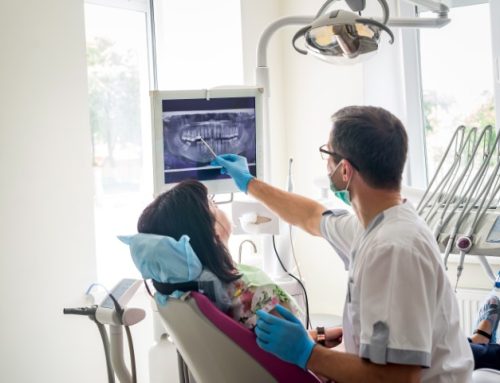
Here’s an important consideration: if you find yourself constantly relying on large amounts of denture adhesive just to keep your dentures in place, this signals a problem. Your dentures likely don’t fit properly anymore and need professional attention. At Tampa Palms Dentistry, Dr. Georges Raffoul, DMD, can evaluate your dentures and determine whether they need adjustment, relining, or replacement.
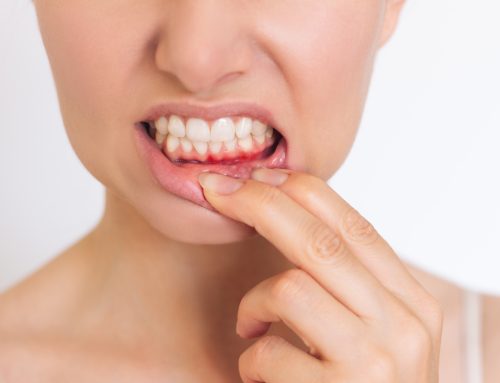
Using excessive amounts of denture glue to compensate for poorly fitting dentures can actually cause more harm than good, potentially leading to gum irritation, sores, and difficulty maintaining proper oral hygiene.
Choosing the Best Denture Adhesive
If you’ve determined that denture adhesive would benefit your situation, selecting the best denture adhesive for your needs is the next step. Here are some tips:
- Look for products approved by the American Dental Association (ADA)
- Consider whether you prefer cream, powder, or strip adhesives
- Choose zinc-free formulas for safer long-term use
- Start with small amounts, because you need less than you might think
How to Use Denture Adhesive Properly
If you decide to use adhesive, apply it correctly for best results. Clean and dry your dentures thoroughly before application. Apply small dots or thin strips of adhesive to the denture surface, not your gums. Press the dentures firmly into place and hold for a few seconds. Remember, more isn’t better; using too much can actually reduce effectiveness and make removal difficult.
The Bottom Line
So, do you need denture adhesive? It depends on your individual situation. While not essential for everyone, adhesive can be a helpful tool when used appropriately. However, it should never be a permanent solution for ill-fitting dentures.
If you’re experiencing persistent problems with denture fit or have questions about whether adhesive is right for you, contact Tampa Palms Dentistry at 813-333-1922. Dr. Georges Raffoul, DMD, and our team can ensure your dentures fit properly and help you maintain optimal oral health and comfort.