
Your teeth are remarkably strong, but they are not indestructible. Years of chewing, grinding, biting hard foods, and everyday wear can eventually take a toll.
A cracked tooth is not always obvious. Some cracks cause immediate pain, while others produce occasional sensitivity or discomfort that comes and goes. You may feel something strange when biting into certain foods but have no symptoms the rest of the day.
Understanding why teeth crack and recognizing potential warning signs can help you seek dental care before additional damage occurs.
What Causes a Tooth to Crack?
There are many possible causes of a cracked tooth.
Sometimes the explanation is straightforward. Biting down unexpectedly on a hard object can damage a tooth in seconds. In other cases, a crack develops gradually after years of stress.
Large fillings, tooth decay, grinding and clenching, injuries, and normal wear may all contribute to structural weakness.
Age can also play a role because teeth experience decades of repeated pressure.
The important thing to remember is that a cracked tooth does not necessarily mean you did something wrong. Sometimes several factors combine until a tooth can no longer tolerate the forces being placed on it.
Chewing Ice Can Put Teeth at Risk
Ice may seem harmless because it melts in your mouth, but chewing it is a different story.
Ice is hard enough to place significant pressure on teeth and dental restorations. Repeatedly crunching ice can increase the risk of chips and fractures, particularly in teeth that already have large fillings or other structural weaknesses.
The same principle applies to other extremely hard foods and objects.
Your teeth are designed to chew food. They are not designed to repeatedly crush ice or other hard materials.
If chewing ice is part of your daily routine, breaking the habit may help protect your teeth and existing dental work.
Be Careful With Hard Foods
Nuts, hard candy, popcorn kernels, and similar foods can sometimes cause trouble.
That does not mean everyone needs to eliminate crunchy foods from their diet. Instead, pay attention to what you are biting.
An unpopped popcorn kernel can be particularly problematic because you may bite down expecting something much softer.
Hard candy creates a similar concern when patients chew it instead of allowing it to dissolve.
If a tooth already has a crack or weakened area, one unexpected bite may be enough to cause additional damage.
Teeth Are Not Tools
Using your teeth to open a package may save a few seconds, but it can be an expensive habit.
Teeth should never be used to tear plastic, open bottles, loosen knots, cut fishing line, or hold hard objects.
These activities place forces on teeth that they were not designed to handle.
Front teeth can be especially vulnerable because using them as tools may place pressure on their edges.
Keep scissors, bottle openers, and other appropriate tools nearby instead. Your teeth have enough work to do already.
Grinding and Clenching Can Cause Gradual Damage
Not every cracked tooth results from a single event.
Grinding and clenching can expose teeth to repeated pressure over months or years. Many people are not even aware that they grind their teeth because it happens while they sleep.
Possible signs include worn teeth, small chips, morning jaw soreness, headaches, and damaged dental restorations.
A dentist may also notice wear patterns during a routine examination.
If grinding is contributing to dental damage, your dentist can discuss potential treatment options. In some cases, a custom nightguard may be recommended to help protect the teeth.
Large Fillings Can Affect Tooth Strength
Dental fillings restore teeth damaged by decay, but a tooth with a large filling has less natural tooth structure than an untouched tooth.
Over time, these teeth may be more vulnerable to fractures.
This does not mean a large filling will automatically lead to a cracked tooth. Many restorations function successfully for years.
However, routine dental examinations allow your dentist to monitor both the filling and the remaining tooth structure.
If a tooth becomes significantly weakened, a dental crown may sometimes be recommended to provide additional protection.
Can a Dental Crown Prevent a Tooth From Cracking?
Dental crowns cover and protect teeth that have been significantly weakened or damaged.
A crown may be recommended for a tooth with a large restoration, significant wear, a fracture, or certain other structural concerns.
Crowns are also commonly used after some root canal treatments.
The goal is to restore the tooth’s function while protecting the remaining structure.
However, crowns are not necessary for every damaged tooth. Smaller areas of decay or damage may be treated with a filling or another restoration.
Your dentist can determine how much healthy tooth structure remains and recommend an appropriate treatment.
What Does a Cracked Tooth Feel Like?
Cracked teeth can produce several different symptoms.
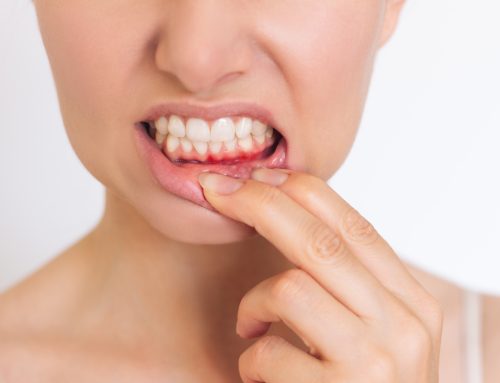
Some people experience sharp pain when biting down. Interestingly, the discomfort may occur when releasing the bite rather than when initially applying pressure.
Others develop sensitivity to hot or cold temperatures.
The pain may also be inconsistent. You might chew normally throughout most of the day and suddenly feel discomfort when biting at a particular angle.
This inconsistency can make cracked teeth frustrating for patients.
If you experience recurring pain in one area, even if it disappears quickly, schedule a dental examination.
Can a Crack Be Too Small to See?
Yes.
Some dental cracks are difficult to identify with the naked eye.
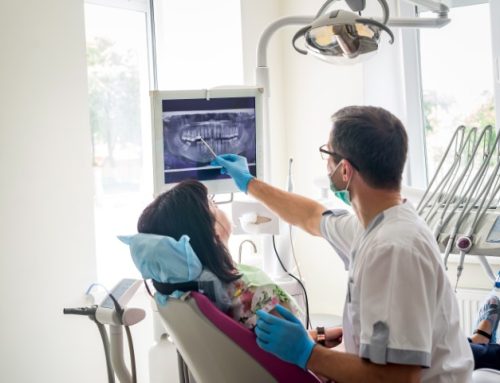
Your dentist may use a combination of examination techniques, dental imaging, bite testing, magnification, and your description of symptoms to determine which tooth is causing the problem.
This is another reason not to ignore recurring symptoms simply because you cannot see anything wrong.
A tooth can appear normal in the mirror while still having an underlying problem.
What Happens If You Ignore a Cracked Tooth?
The outcome depends on the type and location of the crack.
Some minor cracks primarily affect the outer enamel and may not require extensive treatment. Other cracks can extend deeper into the tooth.
A deeper fracture may eventually affect the inner dental pulp, where nerves and blood vessels are located.
Bacteria may also enter damaged areas of the tooth.
In certain situations, delaying treatment can reduce the options available for restoring the tooth.
If you suspect a crack, having it evaluated early is generally better than waiting for significant pain.
How Are Cracked Teeth Treated?
Treatment depends on the severity and location of the damage.
Minor chips or small areas of damage may sometimes be repaired with dental bonding or another conservative restoration.
A weakened tooth may require a dental crown.
If the inner portion of the tooth becomes significantly inflamed or infected, root canal treatment may be necessary before the tooth is restored.
Unfortunately, some fractures extend too far below the gumline or through the root for the tooth to be predictably saved. In these cases, extraction may need to be considered.
This is why early diagnosis matters.
Don’t Wait for a Cracked Tooth to Become Painful
One of the biggest misconceptions about dental problems is that something must hurt before it requires treatment.
Many dental conditions begin quietly.
Regular dental examinations allow your dentist to look for worn restorations, decay, grinding patterns, weakened teeth, and other concerns before they necessarily cause severe symptoms.
Preventive care cannot eliminate every cracked tooth, but it can help identify potential problems earlier.
You can also reduce unnecessary stress on your teeth by avoiding ice chewing, hard objects, and using your teeth as tools.
Protect Your Smile at Tampa Palms Dentistry
A small crack can sometimes become a much larger dental problem if it is left untreated.
If you notice pain when biting, new sensitivity, a chipped tooth, or an unusual change in the way a tooth feels, do not wait for the symptoms to become severe.
Tampa Palms Dentistry provides comprehensive preventive and restorative dental care for patients in Tampa and surrounding communities. Our team can evaluate the affected tooth, determine the cause of your symptoms, and recommend treatment based on the extent of the damage.
If you are concerned about a cracked, worn, or damaged tooth, schedule an appointment with Tampa Palms Dentistry. Addressing the problem early may help preserve more of your natural tooth and keep your smile healthy and functional.